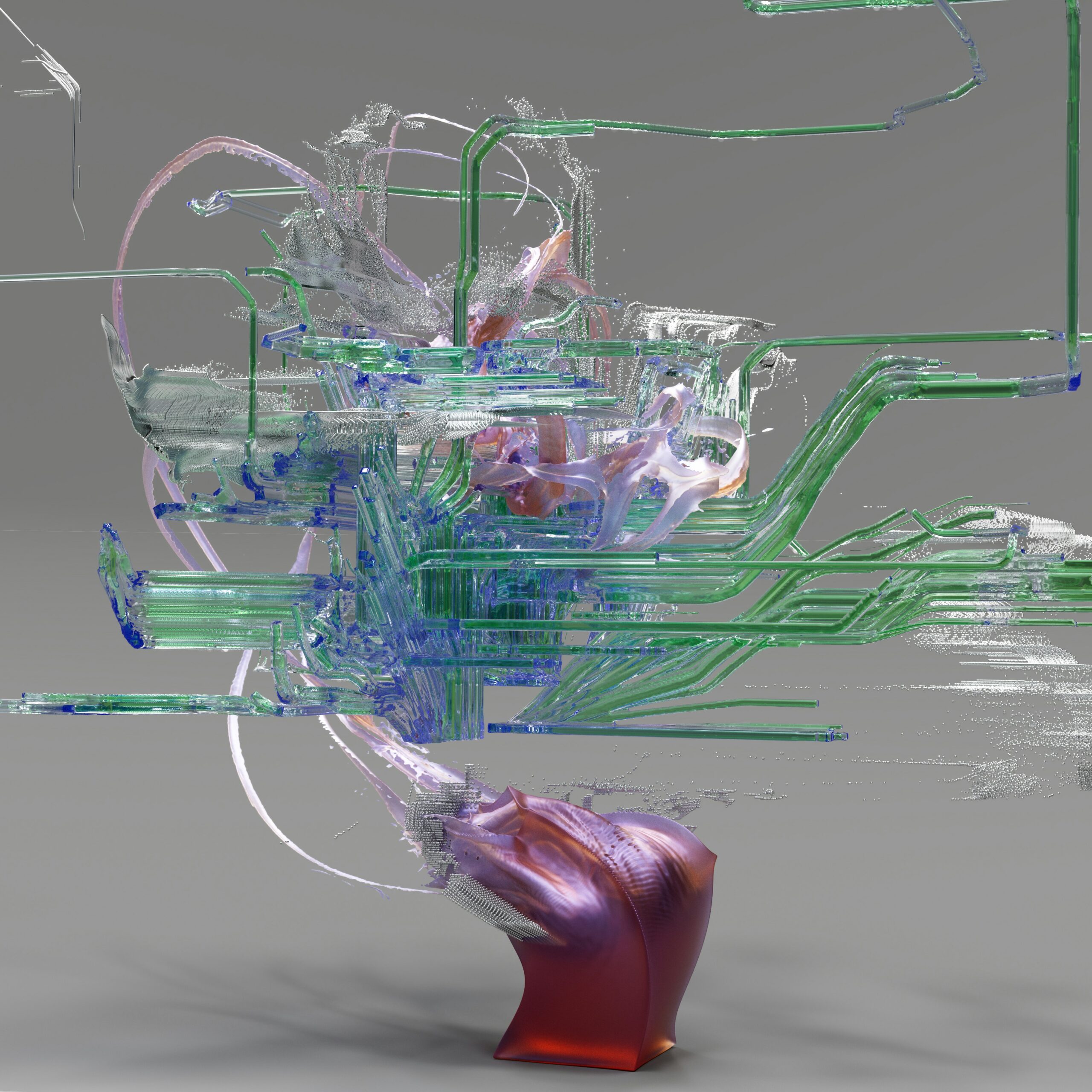
Human Touch vs. AI Precision: The Future of 3D Design Choices
In the rapidly evolving world of 3D rendering and game design, striking the right balance between human creativity and AI precision is becoming increasingly crucial. Game developers and designers are now faced with the challenge of integrating advanced technology with artistic intuition to create immersive and visually stunning experiences. As AI continues to enhance precision and efficiency in 3D design processes, it’s essential to understand how these tools can complement, rather than replace, the irreplaceable human touch. This discussion will explore how Tlagrange’s cutting-edge software empowers creative professionals to harness the full potential of both human ingenuity and machine accuracy. By understanding this synergy, designers can push the boundaries of what’s possible in game design and elevate their projects to new levels of excellence. Read more about the impact of AI on design here.
Balancing Creativity and AI Precision
In the realm of 3D rendering and game design, both creativity and AI precision play pivotal roles. Designers must find a balance that leverages the strengths of each element to create dynamic and engaging visual projects. This section will explore the value of human creativity and AI in game design.
Human Creativity in 3D Rendering
Human creativity is the cornerstone of innovation in 3D rendering. It brings a unique perspective that machines cannot replicate. Creative professionals rely on intuition and experience to produce visually compelling designs.
Artistic intuition is critical in determining color schemes, textures, and themes. It allows designers to create environments that resonate emotionally with users. This personal touch cannot be replaced by algorithms, as it often requires a deep understanding of art and design principles.
Real-world examples, such as custom game environments, showcase how human creativity can push the boundaries of visual storytelling. Often, projects with a strong creative vision stand out in the gaming industry, highlighting the importance of the human touch. Read more about the profound impact of human touch here.
Role of AI in Game Design
While human creativity is irreplaceable, AI precision enhances the efficiency and accuracy of game design. AI tools streamline processes by automating repetitive tasks, allowing designers to focus on creativity.
-
Automated rendering saves time by handling complex calculations and simulations.
-
Predictive analytics help in anticipating player behavior, improving game mechanics.
-
Procedural generation creates vast, detailed environments quickly.
AI also assists in optimizing resources, ensuring games run smoothly on various devices. As a result, designers can create more immersive experiences without compromising on quality. Learn more about AI’s role in design here.
Tlagrange’s Cutting-Edge Tools
Tlagrange’s tools are designed to empower designers by enhancing both visual effects and customization capabilities. This section will delve into how these tools improve the creative process and offer flexibility to meet designers’ unique needs.
Enhancing Visual Effects
Tlagrange provides state-of-the-art 3D rendering software that significantly enhances visual effects. The software supports various complex animations that bring game elements to life.
With Tlagrange’s tools, designers can simulate realistic lighting, shadows, and reflections. These features are essential in creating visually stunning environments that captivate players.
Advanced particle systems in the software allow for realistic simulations of fire, smoke, and weather effects. This level of detail enriches the gaming experience, making it more engaging and believable.
By integrating these enhancements, designers can achieve a higher level of realism and immersion in their projects. See more insights on AI animation vs. human here.
Customization Capabilities for Designers
One of Tlagrange’s strengths lies in its customization capabilities. Designers can tailor the software to fit their specific workflows, maximizing creativity and efficiency.
-
Customizable interfaces allow users to set up their workspace according to their needs.
-
Scriptable tools enable designers to automate repetitive tasks, enhancing productivity.
-
Flexible asset management ensures easy organization and retrieval of design elements.
These features make Tlagrange a versatile tool for game designers. It empowers them to adapt the software to their unique artistic processes, facilitating the creation of personalized and innovative designs. Explore how AI might change future designs here.
Future of 3D Design Choices
The future of 3D design lies in the synergy between human creativity and AI precision. By understanding how these elements interact, designers can push the boundaries of game design, crafting experiences that are both innovative and impactful.
Synergy of Human and AI
The integration of human creativity and AI precision creates a powerful synergy. This collaboration leverages the strengths of both elements to produce superior design outcomes.
Human intuition guides the artistic direction, ensuring designs are emotionally resonant and aesthetically pleasing. AI supports this vision by providing precision and efficiency, automating complex calculations and processes.
Through this synergy, designers can explore new creative possibilities, experiment with innovative concepts, and refine their designs with unprecedented accuracy. This collaborative approach results in enhanced creative outcomes and streamlined workflows.
Pushing Boundaries in Game Design
As the synergy between human creativity and AI precision continues to evolve, the boundaries of game design are pushed further. Designers are now able to create more immersive, engaging, and visually stunning games.
-
Innovative storytelling: AI-driven analytics offer insights into player behavior, enabling more tailored narratives.
-
Complex worlds: Procedural generation and advanced rendering techniques allow for vast, detailed environments.
-
Enhanced interactivity: AI-powered systems improve game mechanics, providing more dynamic and responsive gameplay.
These advancements position designers to redefine what is possible in game design, creating experiences that captivate players and set new industry standards. Discover more insights into AI and human designers here.
