From Blueprint to Beauty: The Art and Science of Rendering
In the world of game development, creating visually stunning environments is both an art and a science. The process of rendering can transform simple blueprints into breathtaking visual experiences, making it a crucial step for game designers aiming for high-quality graphics. With the right tools, such as Tlagrange’s 3D rendering software, developers can achieve realistic animations and intricate visual effects that captivate players. Tlagrange stands out by offering customizable options that cater to the specific needs of each project, giving designers the power to craft unique and immersive worlds. In this post, we will explore the intersection of technology and creativity, providing insights into how advanced graphics software can enhance your game’s visual quality. For more on the art of rendering, check out this resource.## The Art of Rendering
In the realm of game development, the art of rendering is a cornerstone that bridges creativity and technical precision. This section explores how visual effects and detailed designs bring virtual worlds to life.
Crafting Visual Effects
In rendering, crafting visual effects is a careful blend of creativity and technology. Visual effects are essential to making games captivating and engaging. They are designed to enhance the storytelling and emotional impact, giving players an immersive experience.
-
Conceptualization: Artists begin by imagining the desired effect, drawing from the game’s narrative and aesthetic goals.
-
Design and Prototyping: Using sketches or digital mock-ups, designers create initial versions of the effects.
-
Implementation: The effect is integrated into the game engine, tested, and refined to ensure it enhances gameplay without compromising performance.
For inspiration, check out this TikTok video showcasing innovative game visual effects.
These steps reveal how essential visual effects are in game development. Designers must balance creativity with technical constraints to achieve the best results.
Transforming Blueprints to Reality
Rendering transforms simple blueprints into vibrant, interactive worlds. This process involves several technical stages to convert conceptual designs into a playable environment.
Blueprints serve as the foundation. They outline the game’s structure, providing a roadmap for designers. From here, artists and developers use advanced graphics software to build upon these plans.
-
Modeling: Designers create 3D models based on blueprints, defining the shape and structure of objects.
-
Texturing: Applying textures adds detail, making surfaces appear realistic.
-
Lighting and Shading: Proper lighting enhances the visual mood, while shading adds depth and contrast.
This process is like turning a sketch into a masterpiece, where each step adds layers of detail and realism. For a deeper dive, visit The Art of Rendering YouTube channel.
With each stage carefully executed, blueprints are no longer mere outlines; they become vibrant realities that players can explore.
The Science Behind Graphics Software
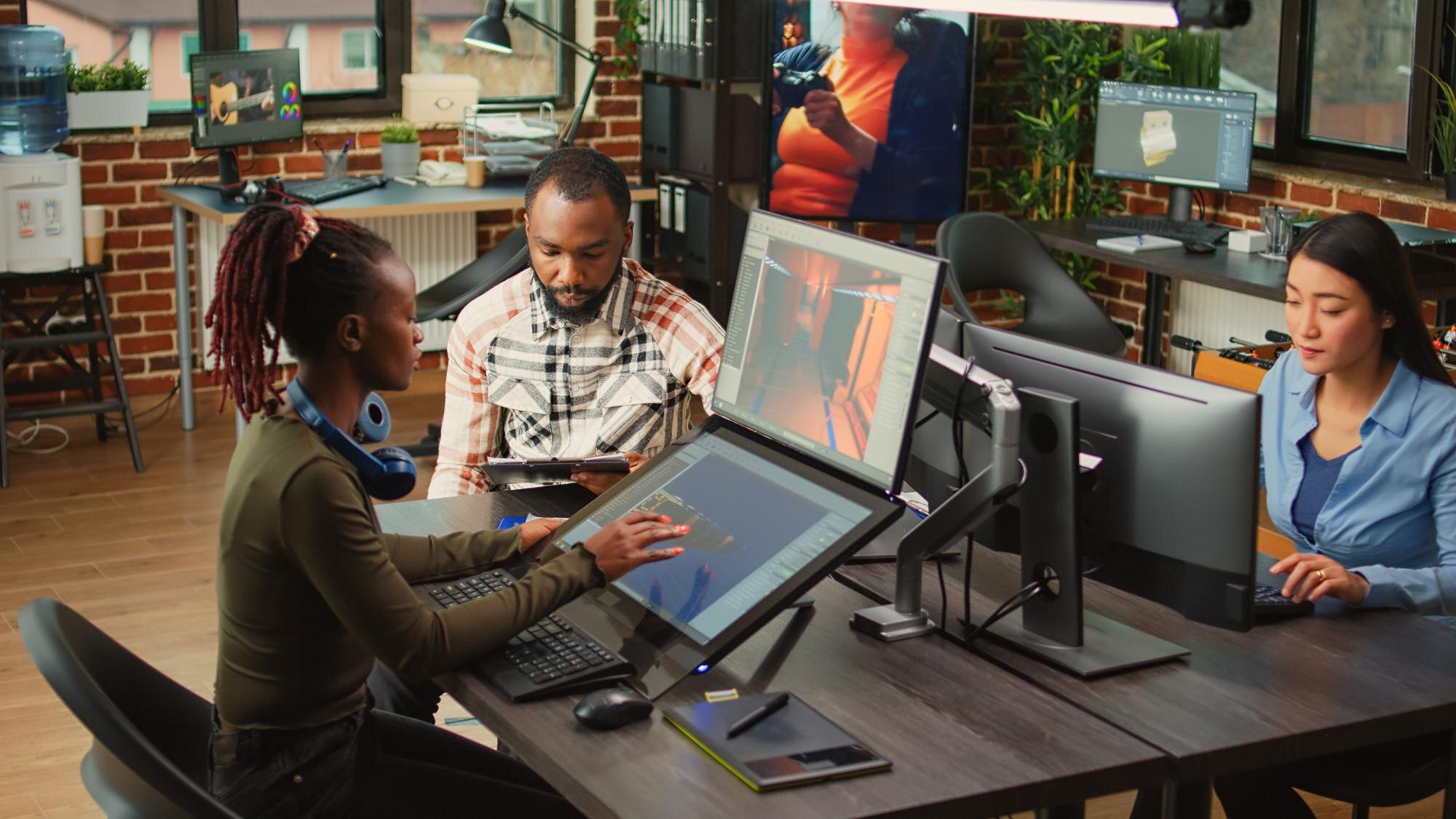
Graphics software underpins the artistry of rendering, offering the tools needed to create complex visuals. Here, we delve into the technological foundations and features that make these tools indispensable.
Understanding 3D Rendering
3D rendering is a science that translates digital information into visual images. It involves simulating light interactions to create photorealistic scenes, crucial for believable game worlds.
Rendering engines calculate how light interacts with surfaces, considering factors like reflectivity and refraction. This computation is complex, requiring powerful hardware and optimized algorithms.
-
Rasterization: Converts 3D models into 2D images using pixels.
-
Ray Tracing: Simulates light paths for realistic reflections and shadows.
-
Global Illumination: Accounts for indirect lighting, enhancing realism.
The ASBMB article on molecular motifs parallels these concepts, highlighting the precision needed in scientific visualization.
Understanding these techniques allows developers to choose the right approach for their game’s aesthetic, balancing realism with performance.
Key Features of Tlagrange
Tlagrange’s graphics software is engineered to support advanced rendering needs. It stands out with features designed to enhance the creative process for developers.
-
Customizability: Tailor effects and settings to meet project-specific requirements.
-
Real-time Rendering: Enables immediate visualization of changes, speeding up the design process.
-
High-Quality Visuals: Achieve photorealistic effects with minimal performance impact.
|
Feature |
Benefit |
|---|---|
|
Customizability |
Tailored solutions for unique needs |
|
Real-time Rendering |
Faster iteration and prototyping |
|
High-Quality Visuals |
Enhanced realism without lag |
Join NightCafe’s AI Art Facebook group for community insights and innovations in visual design.
These capabilities empower developers to push the boundaries of visual storytelling, making Tlagrange an essential tool in the arsenal of game designers.
Enhancing Game Development
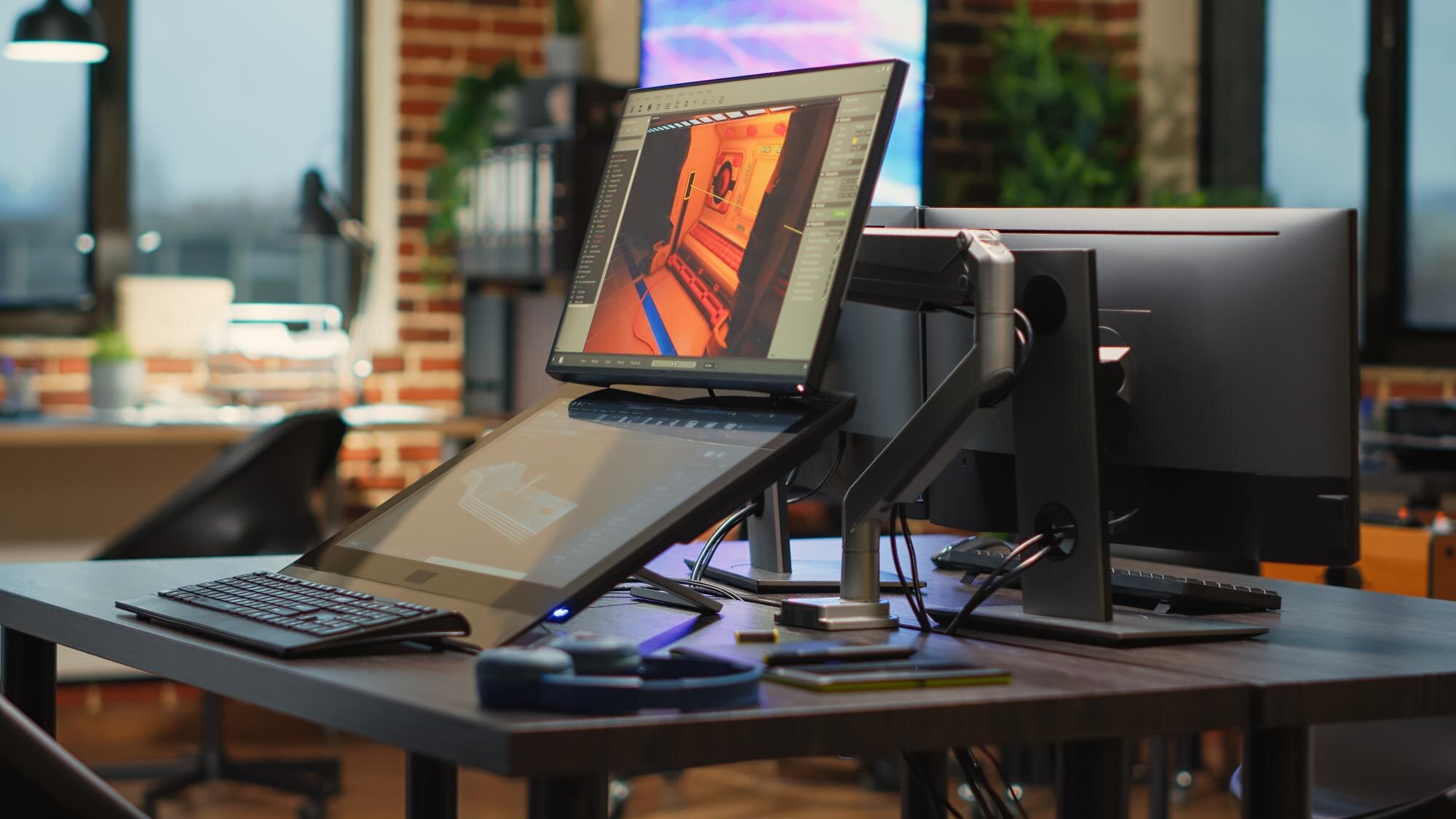
In game development, rendering software is pivotal. This section outlines how Tlagrange supports unique projects and creates lifelike animations, vital for modern game design.
Customization for Unique Projects
Every game project is unique, requiring bespoke solutions to achieve its vision. Tlagrange excels in offering customization options that cater to diverse needs.
-
Flexible Tools: Adaptable settings allow fine-tuning for specific artistic goals.
-
Module Integration: Seamlessly combine different modules to create cohesive visual effects.
-
User Interface: Intuitive design enables easy navigation and efficient workflow.
These features ensure that developers can implement their creative ideas without compromise. Customization makes it possible to maintain a consistent visual identity while innovating within each project.
Achieving Realistic Animations
Animations bring games to life, transforming static images into dynamic experiences. Realistic animations are essential for engaging gameplay, and Tlagrange’s tools make it achievable.
-
Advanced Physics Engines: Simulate real-world physics for believable character movements.
-
Motion Capture Support: Integrate motion capture data for fluid, lifelike animations.
-
Animation Blending: Combine different animation sequences smoothly for seamless transitions.
These tools support the creation of animations that resonate with players, enhancing both the narrative and interaction. Employing realistic animations keeps players immersed, ensuring that every movement feels natural.
By utilizing Tlagrange, developers can achieve a high level of realism, transforming game worlds into immersive experiences that captivate audiences.
