Unveiling Armenia’s Rich Cultural Fabric: A Journey Through Time
Armenian culture is more than a collection of old stories and artifacts—it shapes how millions live today. Many overlook how deeply Armenia’s cultural heritage influences its politics, society, and identity. This post breaks down key historical landmarks and Armenian traditions that still resonate across generations. You’ll get clear insights into why Armenia’s past matters now and what it means for the future. Explore more about Armenia’s cultural heritage by visiting our dedicated section for historical insights and upcoming cultural events here.
Ancient Traditions and Heritage
Dive into Armenia’s ancient traditions and discover how they still echo today. From storytelling to music, these practices are woven into the country’s cultural fabric, influencing everyday life.
Influence of Armenian Traditions
Armenia’s traditions are like a tapestry, richly interwoven with threads of history and culture.
-
Music and Dance: Traditional Armenian music and dance are integral to social gatherings. The duduk, a woodwind instrument, produces a haunting melody that touches the soul. At weddings and festivals, you’ll often see the energetic Armenian dance, Kochari.
-
Cuisine: Armenian food tells a story of its own. Dishes like dolma (stuffed grape leaves) and lavash (flatbread) showcase a blend of flavors from the region. Sharing a meal is about more than just eating; it’s a celebration of heritage and community.
These elements of culture aren’t relics of the past. They thrive today, reminding us of a rich history that’s very much alive.
Armenian Cultural Practices Today
In modern Armenia, cultural practices continue to shape the national identity.
-
Religious Influence: Most Armenians follow the Armenian Apostolic Church, one of the world’s oldest Christian denominations. Religious ceremonies and holidays, like Christmas and Easter, are celebrated with deep reverence.
-
Art and Literature: The arts play a vital role in preserving Armenian culture. Miniature painting, a historic art form, is still taught and appreciated. Writers draw inspiration from Armenia’s landscapes, creating works that resonate with both locals and the diaspora.
Armenian culture isn’t static; it’s a dynamic, evolving entity that deeply affects everyday life. This connection to the past provides a sense of identity and unity among Armenians worldwide.
Historical Landmarks of Armenia
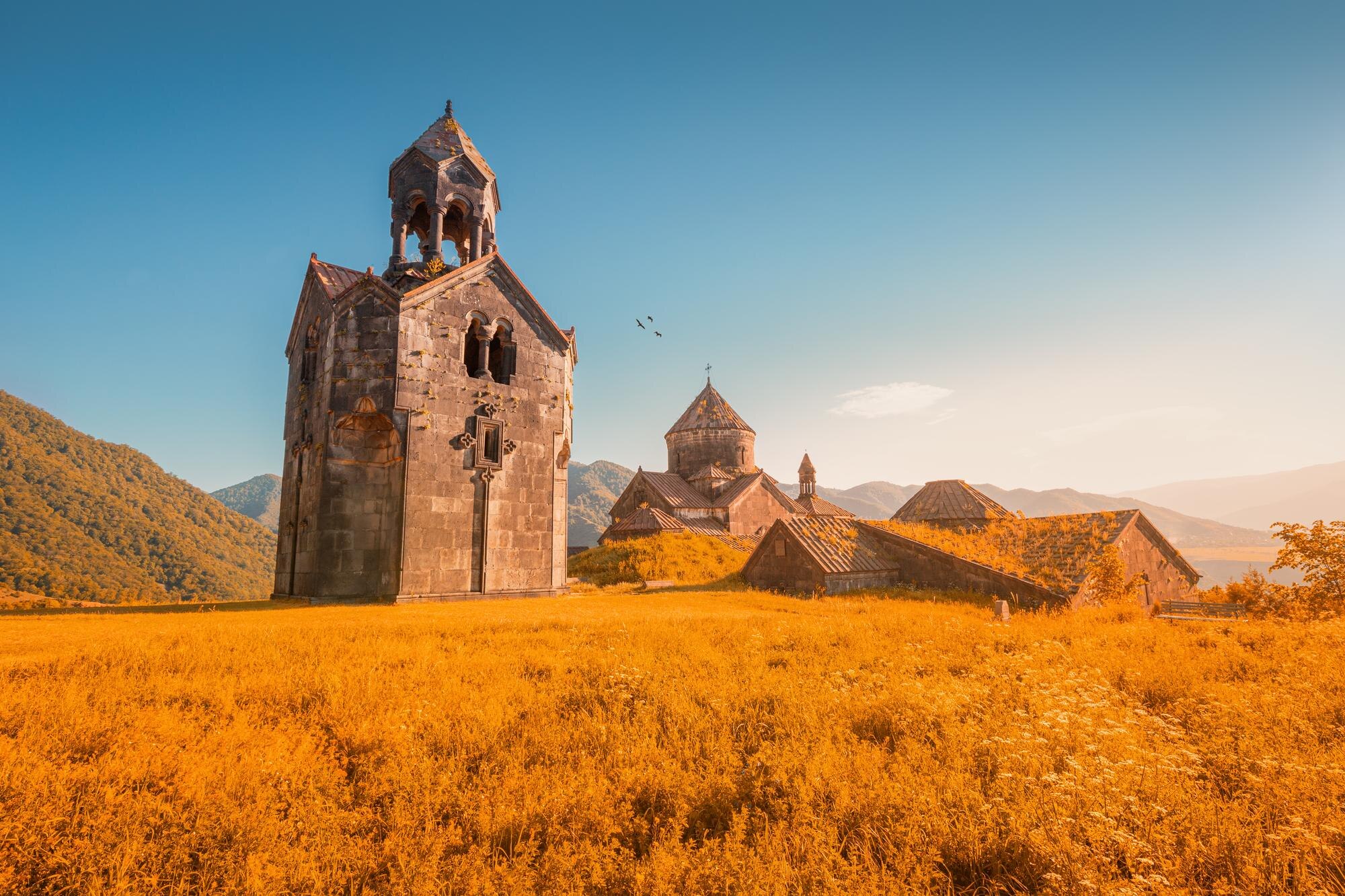
Armenia’s landscape is dotted with historical landmarks that are windows to its rich past. These sites tell stories of resilience and cultural evolution, capturing the imagination of visitors.
Notable Armenian Historical Sites
Some of Armenia’s historical sites are recognized globally for their significance.
-
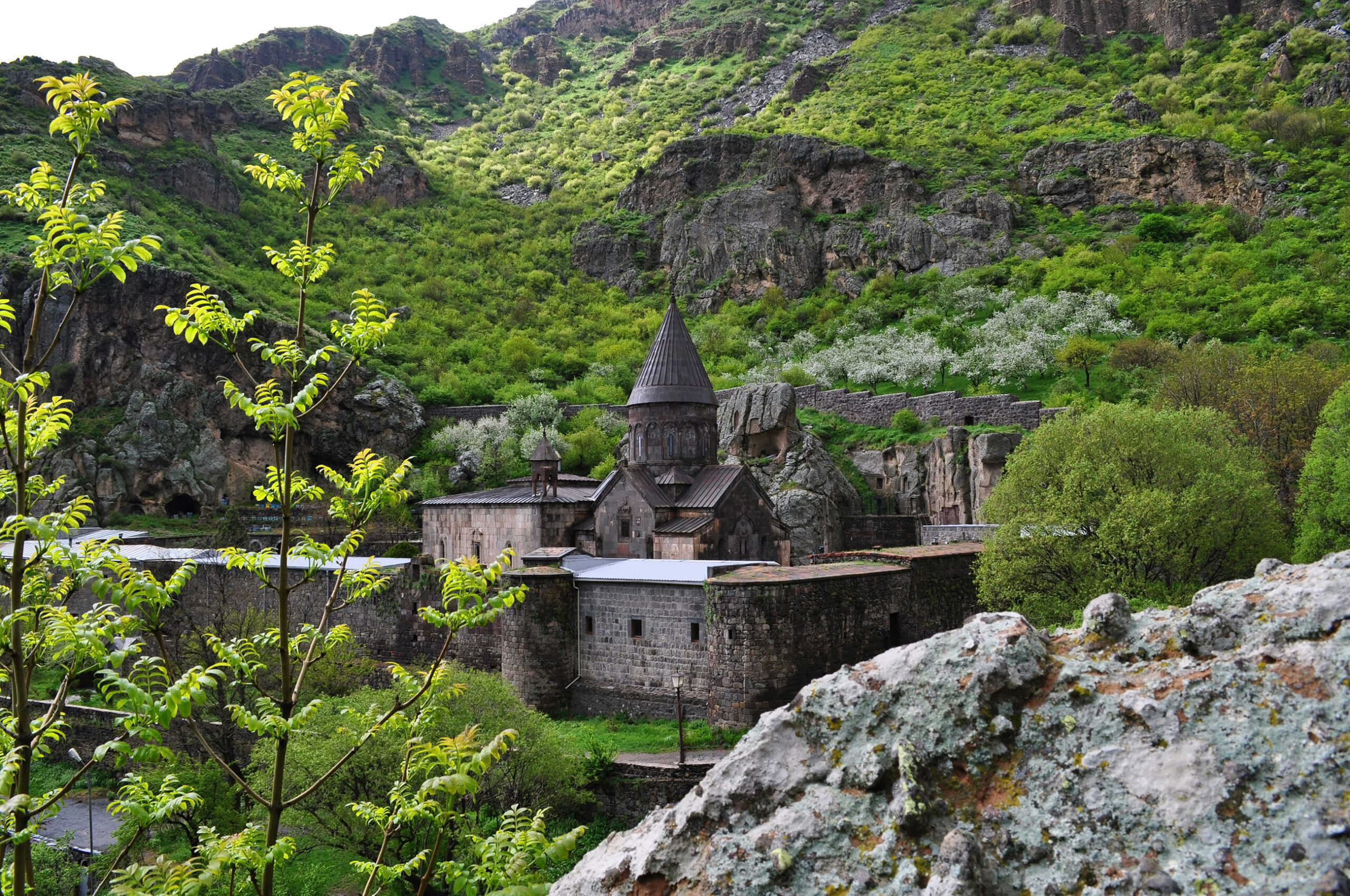
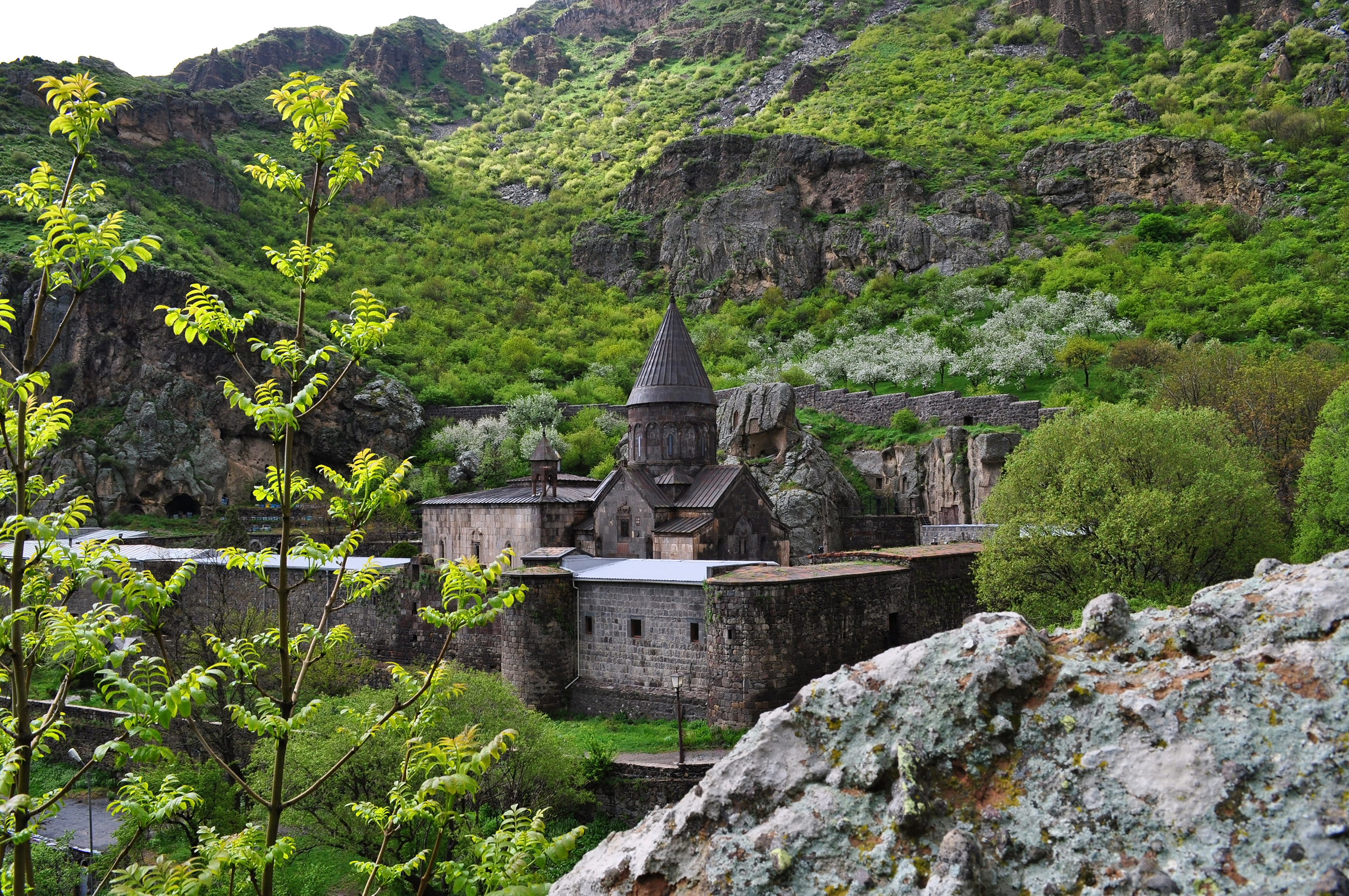
Geghard Monastery: This UNESCO World Heritage site is partially carved out of a mountain. It’s a testament to medieval Armenian architecture, with its intricate stone carvings and serene atmosphere.
-
Garni Temple: The only standing Greco-Roman colonnaded building in Armenia, Garni is a symbol of the classical influence on Armenian civilization. It’s a favorite spot for both locals and tourists to explore.
These landmarks are more than tourist attractions. They are sacred places that hold the collective memory of a nation, inviting exploration and reflection.
Preservation of Armenian History
Preserving history is crucial for future generations. Armenia faces challenges in maintaining its cultural sites, with threats from environmental factors and political tensions.
-
Conservation Efforts: Organizations work tirelessly to restore and protect these sites. Initiatives often rely on local expertise and international collaboration to ensure the longevity of Armenia’s cultural heritage.
-
Community Involvement: Local communities play a key role in preservation efforts, offering support and advocacy. Their involvement ensures that preservation projects respect and reflect the cultural significance of these sites.
Preserving history isn’t just about maintaining structures; it’s about keeping alive the stories they tell. By doing so, Armenia honors its past and ensures its cultural legacy endures.
For more insights on Armenia’s cultural preservation efforts, visit this article.
Impact on Modern Armenian Society
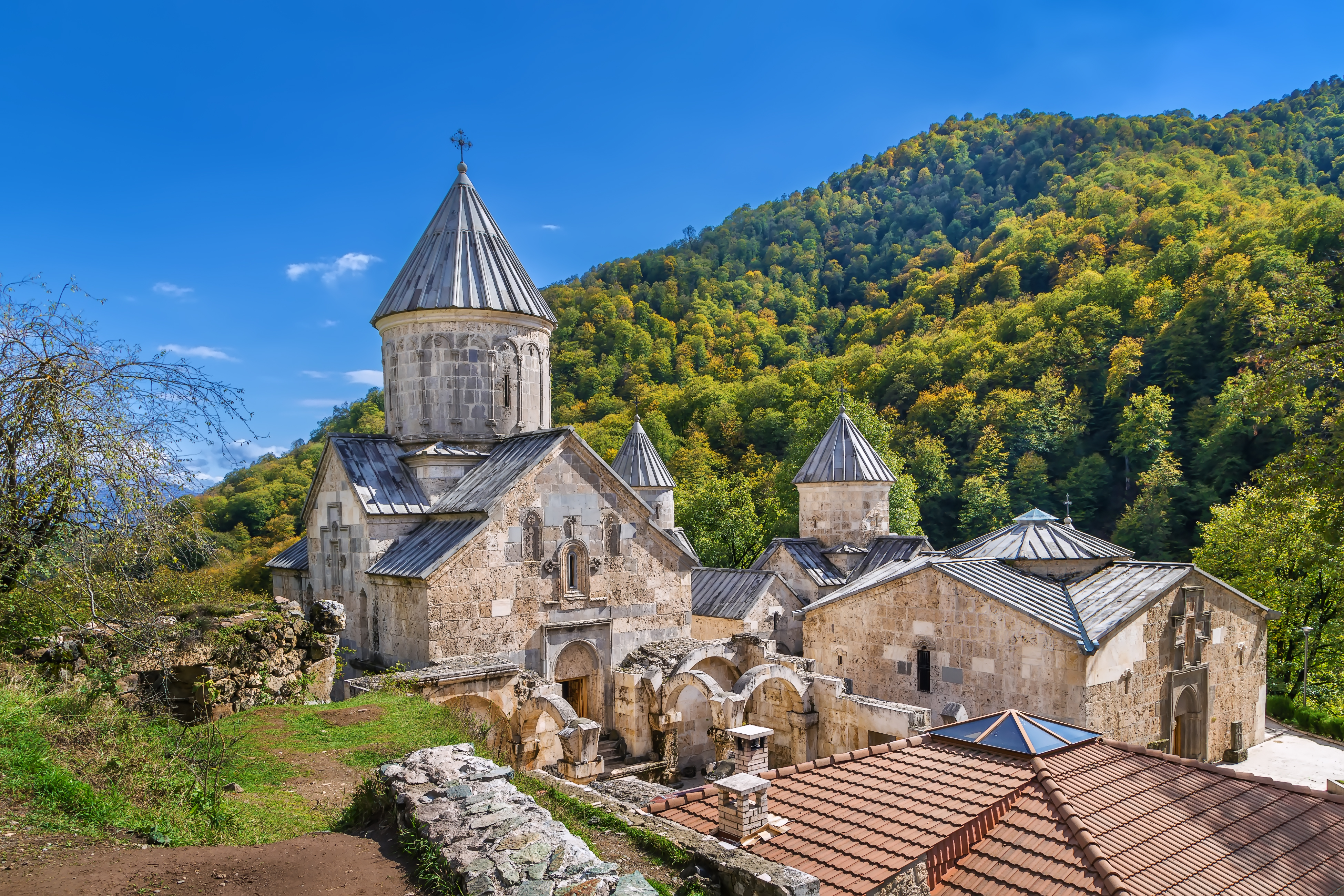
Armenian culture’s impact extends beyond borders, shaping modern society in profound ways. This influence is evident in identity, politics, and social life.
Armenian Identity and Culture
Armenian identity is deeply rooted in cultural heritage.
-
Diaspora Connections: Armenians around the world hold a strong connection to their roots. Cultural festivals and community gatherings offer a sense of belonging and pride in their heritage.
-
Language and Literature: The Armenian language is a cornerstone of identity. Literature, both classic and contemporary, reflects the struggles and triumphs of the Armenian people. Writers like Hovhannes Shiraz capture the essence of Armenian life and spirit.
Cultural identity serves as a bridge between past and present, uniting Armenians globally in a shared narrative of resilience and hope.
Cultural Heritage in Politics and Society
Cultural heritage plays a pivotal role in Armenia’s political and social spheres.
-
Political Influence: Historical narratives and cultural symbols are often invoked in political discourse, shaping national policies and international relations.
-
Social Cohesion: Cultural events foster community spirit and solidarity. Whether it’s a local festival or a national celebration, these gatherings reinforce social bonds and cultural pride.
Understanding culture’s role in politics and society offers insights into Armenia’s unique position on the world stage. It highlights the importance of heritage as both a unifying force and a source of inspiration.
For a deeper understanding of how Armenian culture influences contemporary society, explore this comprehensive guide.
🌍🇦🇲📚