Roguelite vs Roguelike: A Dev’s Guide for Deckbuilding Fans
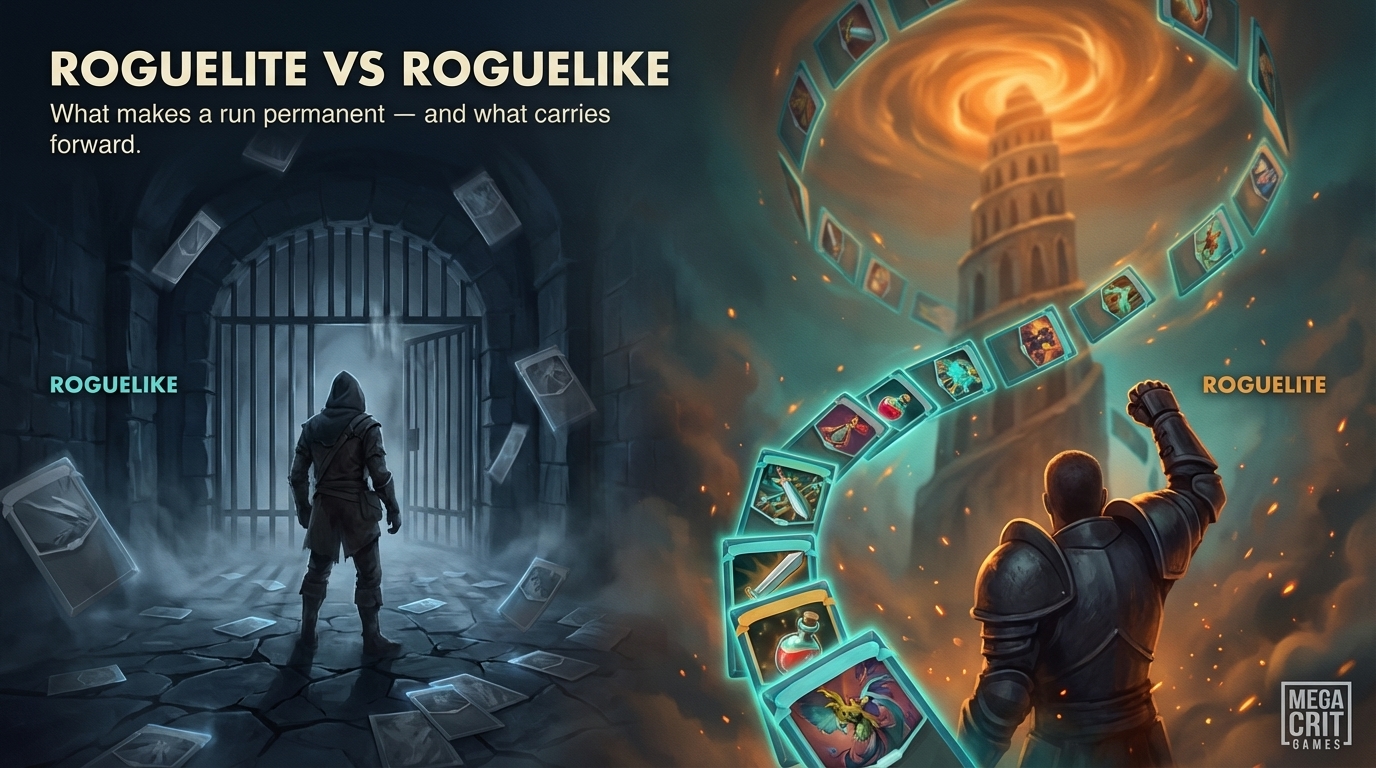
Forget what you think you know about roguelite vs roguelike. Those terms get tossed around like loot drops, but the real differences shape how you build decks, tackle runs, and face permadeath. We’re breaking down design pillars, showing where Slay the Spire fits, and gearing up for Slay the Spire 2’s fresh take on run-based gameplay. Ready to settle the debate and level up your strategy? Let’s get into it. Check out this discussion here for more insights!
Roguelite vs Roguelike Breakdown
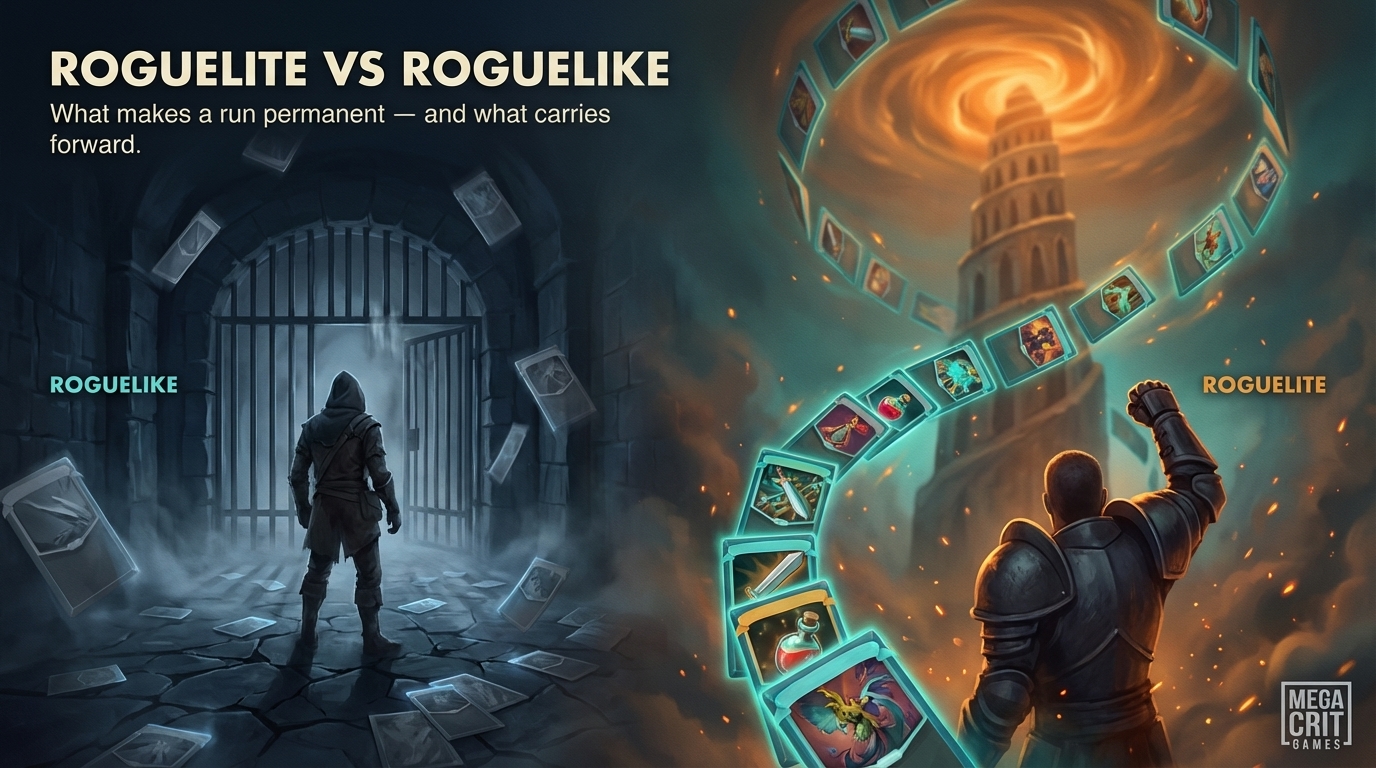
You might think roguelites and roguelikes are interchangeable, but they’re not. Let’s unravel what truly sets these two apart in game design.
Core Game Design Differences
Roguelikes and roguelites create unique gameplay experiences. The key difference lies in progression and permanence. Roguelikes offer a hardcore, reset-everything vibe. Every run feels like starting from scratch, keeping the tension high. Roguelites, on the other hand, soften the blow. They let you keep some progress, making the journey feel more forgiving. Both approaches have their fans, but understanding what you prefer can enhance your gaming time.
Defining Roguelike Mechanics
Roguelikes take you back to the roots of gaming. Think ASCII graphics, turn-based moves, and grid-based levels. The essence of roguelikes is in their unforgiving nature. You lose, you start over. The thrill is in the challenge. Games like the classic Rogue or NetHack embody this spirit. Procedural generation keeps each playthrough fresh, ensuring no two runs feel the same. It’s about mastering the mechanics and learning from every failure.
Understanding Roguelite Elements
Roguelites bring a modern twist. They maintain the challenge but offer more leniency. You’ll find permanent upgrades or unlocked abilities that persist. This means your efforts feel rewarding even after a failed run. Games like Dead Cells or Hades showcase this blend effectively. They give players a sense of progress, making the experience less daunting and more engaging for newcomers. This evolution invites a broader audience to enjoy the genre.
Iconic Examples in Gaming
Now that you know the differences, let’s dive into some standout examples that define these categories.
Slay the Spire’s Unique Twist
Slay the Spire mixes roguelike elements with deckbuilding strategy. Each run challenges you to craft a deck, battle foes, and climb the spire. What sets it apart is how it melds card game tactics with roguelike unpredictability. You face permadeath, but with each attempt, you learn more about the cards and enemies. This learning curve keeps players hooked, striving for that perfect run.
Roguelike Deckbuilder Classics
Roguelike deckbuilders form a niche but growing genre. Games like Dream Quest and Monster Train offer unique spins on the formula. They each bring distinct mechanics to the table, yet they stay true to the roguelike roots: procedural levels and permadeath. The card-focused strategy demands careful planning and adaptability, adding layers of depth to the traditional roguelike experience.
Roguelite Examples You’ll Love
For those who prefer the roguelite approach, consider Rogue Legacy or Enter the Gungeon. These titles offer a mix of permanent upgrades and challenging runs. Rogue Legacy lets you carry forward traits and gold, easing the difficulty. Enter the Gungeon combines bullet hell elements with roguelite mechanics, providing a fast-paced, exhilarating experience. These games capture the spirit of roguelites, balancing punishment with progress.
Game Design Pillars for Success
Understanding the core elements is one thing, but what makes these games successful? Let’s explore the design pillars that keep players coming back for more.
Procedural Generation & Replayability
Procedural generation is a game-changer. It ensures no two playthroughs are the same, keeping the experience fresh. This unpredictability is key to replayability. You’ll always encounter new challenges and surprises. For roguelikes and roguelites, this feature is crucial. It ensures longevity and continuous engagement, inviting players to dive back in repeatedly.
Permadeath & Meta Progression
Permadeath adds layers of tension and excitement. Losing everything heightens the stakes, making each decision matter. Yet, roguelites soften this blow with meta progression. This allows players to carry some upgrades or skills between runs. This balance keeps players invested, offering a sense of accomplishment and progression despite failures.
Deckbuilding Strategy & Run-Based Gameplay
Deckbuilding adds a strategic dimension to roguelikes. Crafting the perfect deck requires foresight and adaptability. Run-based gameplay means each attempt is a self-contained adventure. Games like Slay the Spire excel in this area, demanding strategic planning with each card choice. The combination of strategic deckbuilding and the unpredictability of runs keeps players engaged and excited for the next challenge.
Leave a Reply