
Journey Through Time: Understanding Current Events Through Historical Perspectives
History doesn’t just sit in books—it shapes the headlines you see today. To understand Armenia news and South Caucasus events, you need more than surface updates. This post offers clear historical perspectives that cut through the noise, revealing how past conflicts and decisions define current affairs. Stay with us to see your world through a sharper lens. Learn more here.## Armenia History and Current Affairs

History is not only about the past; it defines present realities. Let’s explore how historical events shape today’s Armenia.
Historical Conflicts Reshaping Today
Armenia’s past conflicts have a direct impact on its current state. These struggles have left marks that influence various aspects of life today.
In the early 20th century, Armenia faced significant upheaval. The aftermath of World War I and the Armenian Genocide created a backdrop of resilience. The Treaty of Sèvres promised a homeland, but reality differed, leading to ongoing territorial disputes. These historical events are not just footnotes; they are integral to Armenia’s current geopolitical stance.
Fast forward to the late 20th century, the Nagorno-Karabakh conflict emerged. This region has been a focal point of tension between Armenia and Azerbaijan. The recent escalations remind us how deeply rooted these issues remain. Understanding these conflicts helps you see why modern policies and alliances form as they do.
Political Shifts Influencing News
Political landscapes in Armenia are everchanging, deeply intertwined with its historical roots. You might wonder how past events shape today’s political news.
Post-Soviet Armenia saw a wave of change. The collapse of the Soviet Union was a turning point, as Armenia declared independence in 1991. This shift was more than political; it was a cultural renaissance. The newfound independence brought challenges in governance and economic restructuring. Armenia history plays a crucial role in these developments.
Today, Armenia’s politics continue to evolve. Recent elections highlight shifts in public sentiment and governance. Leaders navigate between preserving cultural identity and embracing modernization. By contextualizing these shifts, you gain insights into today’s headlines.
South Caucasus Events in Context
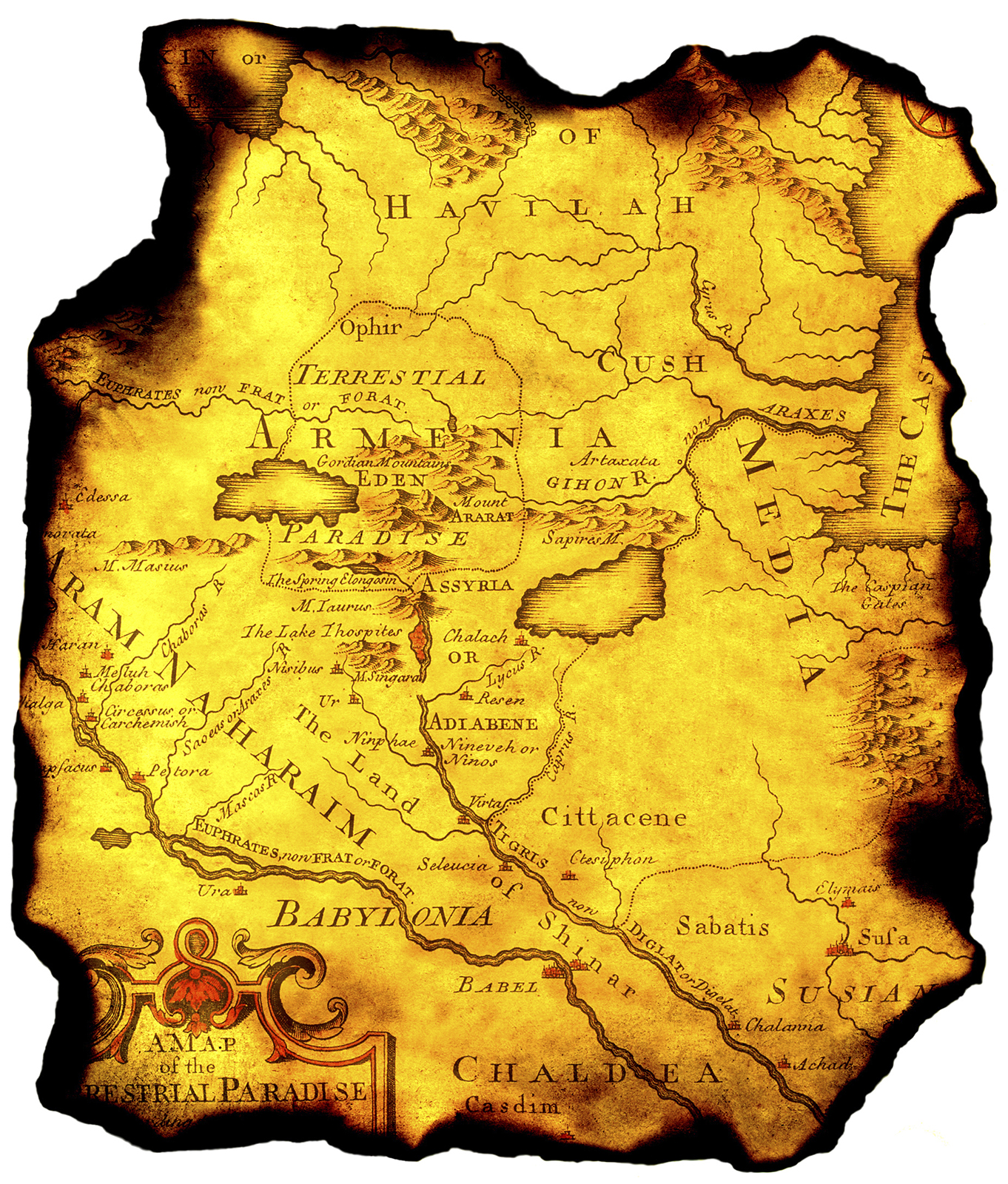
The South Caucasus is a region rich in history and complexity. Understanding key events helps clarify the present.
Key Historical Events Impacting the Region
The South Caucasus has been a crossroads of empires and cultures. This history shapes its current dynamics.
During the 19th century, the Russian Empire expanded into the region. This period saw significant changes in governance and cultural integration. Fast forward to the Soviet era, where centralized policies impacted local economies and ethnic relations. These historical layers are crucial to understanding modern South Caucasus events.
Post-Soviet independence brought new challenges. Countries in the region navigated identity, economy, and sovereignty. Conflicts like those in Georgia and ongoing tensions in Nagorno-Karabakh underscore the historical ties and fractures. Knowing these events provides a clearer picture of the region’s present challenges.
Social and Economic Dynamics
Social and economic factors are deeply tied to history. Let’s explore how they shape today’s South Caucasus.
Historically, the region has been a hub of trade, connecting East and West. This legacy continues to influence its economy. However, past conflicts and political shifts have left economic disparities. Nations work to balance current affairs analysis with historical context to drive growth.
Social dynamics are equally complex. The region’s diverse ethnic tapestry leads to both rich cultural exchanges and tensions. Understanding the historical roots of these dynamics helps explain modern social issues. By examining these factors, you see how history informs current developments.
Understanding Through Historical Perspectives

History is not just about the past; it’s a tool to analyze the present. Let’s delve into its importance.
Analyzing Current Affairs with History
To truly grasp current affairs, you must look through the lens of history. This approach uncovers deeper meanings.
Most people see news as isolated events, but history reveals interconnectedness. For example, the Nagorno-Karabakh conflict is not just a territorial dispute; it’s a legacy of past treaties and migrations. By examining these roots, you gain a more profound understanding of Armenia news.
History also challenges assumptions. Many view geopolitical issues as recent, yet they’re often centuries in the making. By recognizing historical patterns, you can predict and interpret current events with greater accuracy.
Engaging with Armenia News Today
Engaging with news requires more than reading headlines. Historical perspectives enrich your understanding.
When you follow Armenia news, consider the backstory. Each report is a continuation of a historical narrative. Whether it’s political shifts or economic developments, history provides context.
Here’s the key insight: the longer you wait to explore these perspectives, the more you miss. History offers clarity, helping you navigate today’s complex world. Embrace this approach to deepen your engagement with current affairs. For further reading on integrating history with current events, check out this resource.
By understanding the past, you make sense of the present. This journey through time equips you with insights to interpret today’s headlines, fostering a deeper connection with the world around you.